

TL;DR
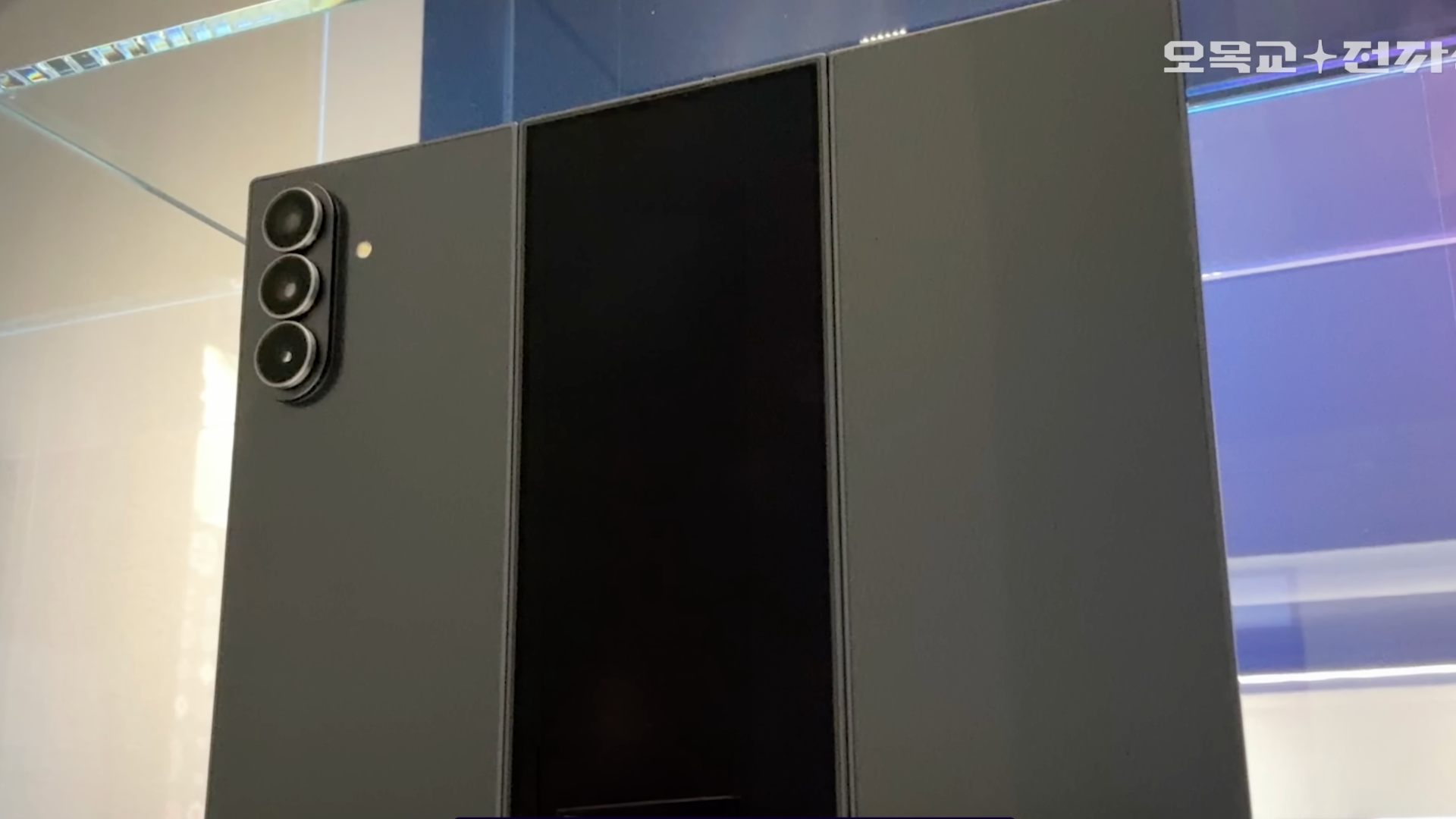
- A new video shows the Galaxy Z TriFold up close, detailing its thinness when unfolded and thickness when folded.
- The video confirms Samsung is trying to keep the design as thin as possible and mimic the design principles of the Galaxy Z Fold 7.
- The triple camera housing at the back remains the most prominent design element.
Samsung has been on top of its game this year when it comes to foldables. The Galaxy Z Fold 7 and Flip 7 have already impressed everyone with their sleek, lightweight designs and top-tier performance, a clear sign that Samsung is taking foldable innovation seriously. Now, the company’s next big leap, the Galaxy Z TriFold, is stealing the spotlight.
That headline is generating a lot of buzz! The device in question is Samsung’s rumored and recently showcased Galaxy Z TriFold, which represents the next major evolution in foldable phone technology.
Here are the impressive details and key specifications based on recent reports and appearances:
Design & Display
| Feature | Detail | Impact |
| Folding Mechanism | Triple-fold with a Dual Infolding (‘G-style’) Hinge. This design folds inward on both sides. | Allows the device to transform from a standard phone size into a massive tablet. |
| Unfolded Display | ~10 to 10.8 inches (OLED, 120Hz refresh rate, 2232 x 3184 pixels rumored). | Delivers a true tablet experience for superior multitasking and media consumption. |
| Folded Display | ~6.5 inches outer screen. | Keeps the device manageable and usable as a conventional smartphone when closed. |
| Crease Management | Early demos suggest significantly reduced or no visible crease lines, a major technological leap. | Addresses one of the biggest complaints with current foldables. |
| Durability | The inward folding mechanism protects the main display panels when the device is closed. | Offers better protection against scratches and environmental elements compared to out-folding designs. |
Performance & Internals
| Feature | Detail | Notes |
| Processor | Expected to feature the latest flagship chip (e.g., Snapdragon 8 Elite or Gen 5). | Ensures top-tier performance to handle the massive screen and demanding multitasking. |
| RAM & Storage | Up to 16GB RAM and up to 1TB storage options rumored. | Flagship specifications targeting users who rely on their phone for productivity and pro-level tasks. |
| Battery | Unique triple-battery system (one in each segment) with a total capacity of around 5700 mAh rumored. | Designed to balance weight distribution and provide necessary power for the large display. |
| Software | Optimized One UI running on Android v15, designed to leverage the triple-panel layout for true side-by-side multitasking (three apps at once). | Focuses on maximizing the productivity of the massive screen real estate. |
Camera System
- Triple Rear Camera: Expected to be a flagship-level system, possibly featuring the 200MP main sensor seen in other high-end Samsung phones, along with Ultra-Wide and Telephoto lenses.
- Selfie Camera: Expected to have both a front-facing camera on the cover display and another on the main unfolded display.
Launch and Availability
- Showcase: The device was recently shown off in a glass enclosure at the APEC CEO Summit in South Korea, confirming its existence and design.
- Launch Timeline: Rumors suggest a potential limited launch in select Asian markets (like South Korea and China) by late 2025 or early 2026.
- Pricing: Due to its cutting-edge nature and complexity, it is expected to be a premium product, with an estimated price tag around $3,000 USD.
This device is clearly Samsung’s most ambitious push yet, aiming to bridge the gap between a high-end smartphone and a full tablet.