
Despite the emphasis on detachment from ideas, X employees do have significant skin in the game when projects spin out.
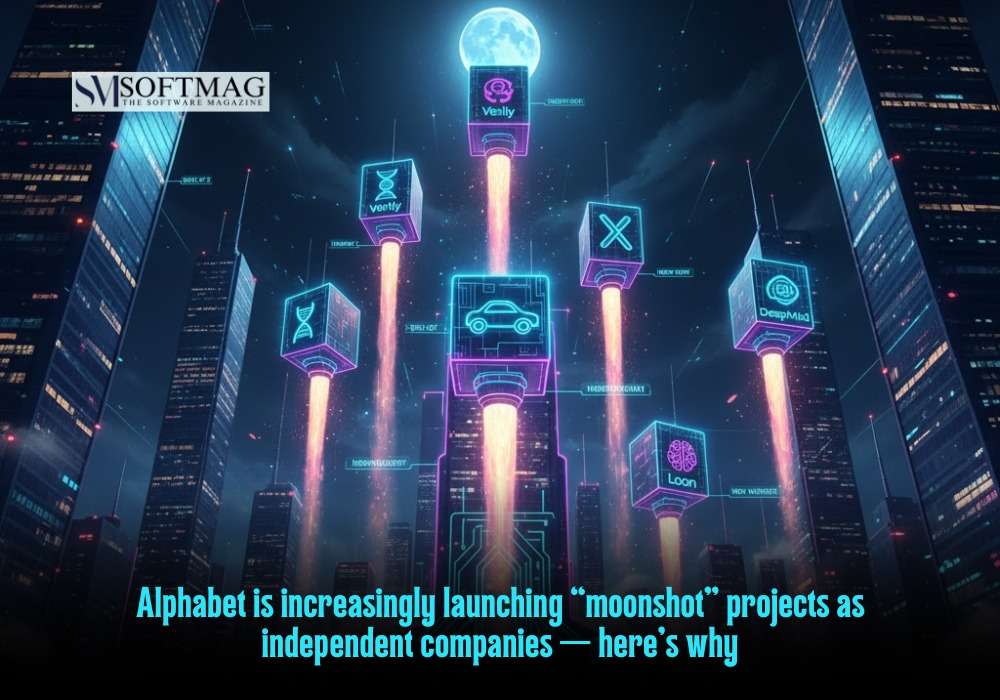
Alphabet is increasingly launching its “moonshot” projects as independent companies for several strategic and financial reasons, marking an evolution in the way its R&D division, X (the moonshot factory), operates:
- To Enable Faster Growth and Greater Autonomy: X has learned that some projects are so different from Alphabet’s core business (Google) that they can grow faster and more effectively outside of the main corporate structure. Spinning them out allows them to be “just outside the Alphabet membrane,” giving them the strategic benefits of proximity without the control and potential bureaucracy of being a full-fledged Alphabet subsidiary.
- To Access Outside Capital (Market-Based Funding): This is a key part of the new strategy. The projects are now funded through “market-based capital” from outside backers, rather than relying solely on Alphabet’s internal funding. This approach is supported by a dedicated venture fund, Series X Capital, which invests exclusively in X spinouts. By taking only a minority stake, Alphabet ensures the companies operate with true independence.
- To Clear the “Other Bets” Bottleneck: Historically, successful moonshots would “graduate” to become “Other Bets” (standalone subsidiaries) under the Alphabet umbrella (like Waymo and Verily). However, Alphabet could only accommodate so many of these, creating a bottleneck for projects that were ready to scale. Spinning out as independent companies resolves this capacity issue.
- To Promote Financial Discipline: The shift is part of a broader effort by Alphabet to cut costs, emphasize lean teams, and ensure greater capital efficiency across its experimental ventures. It places more pressure on the moonshots to show they can attract external market validation and turn their speculative bets into profitable businesses.