
Credit: Hadlee Simons / Android Authority
TL;DR
- Google is rolling out an integrated live video experience for emergency calls with the November update to Play Services.
- The feature could be exclusive to Pixel phones initially and will allow them to share a live video with first responders during emergency calls.
Google is rolling out a new safety feature that lets users share live video with emergency services during an emergency call. The “integrated live video experience” is part of the November Google Play Services update, which has started rolling out and will reach more devices in the coming weeks.
That’s correct! Google is rolling out an integrated live video experience for emergency calls with its November Google Play Services update.
Here are the key details about the new feature:
Live Video Sharing for Emergency Calls
- What it is: This feature allows a user to stream live video in real time directly to emergency dispatchers during an emergency call.
- Consent is Key: When a caller dials emergency services, a dispatcher can request to activate the phone’s camera. The caller must expressly accept or decline the request before the stream begins.
- Purpose: The live video provides first responders with real-time visual context of the situation, which can expedite triage and improve response effectiveness, especially for incidents like medical emergencies or fires.
- Availability:
- It is rolling out via a Google Play Services update, meaning it doesn’t require a full operating system update.
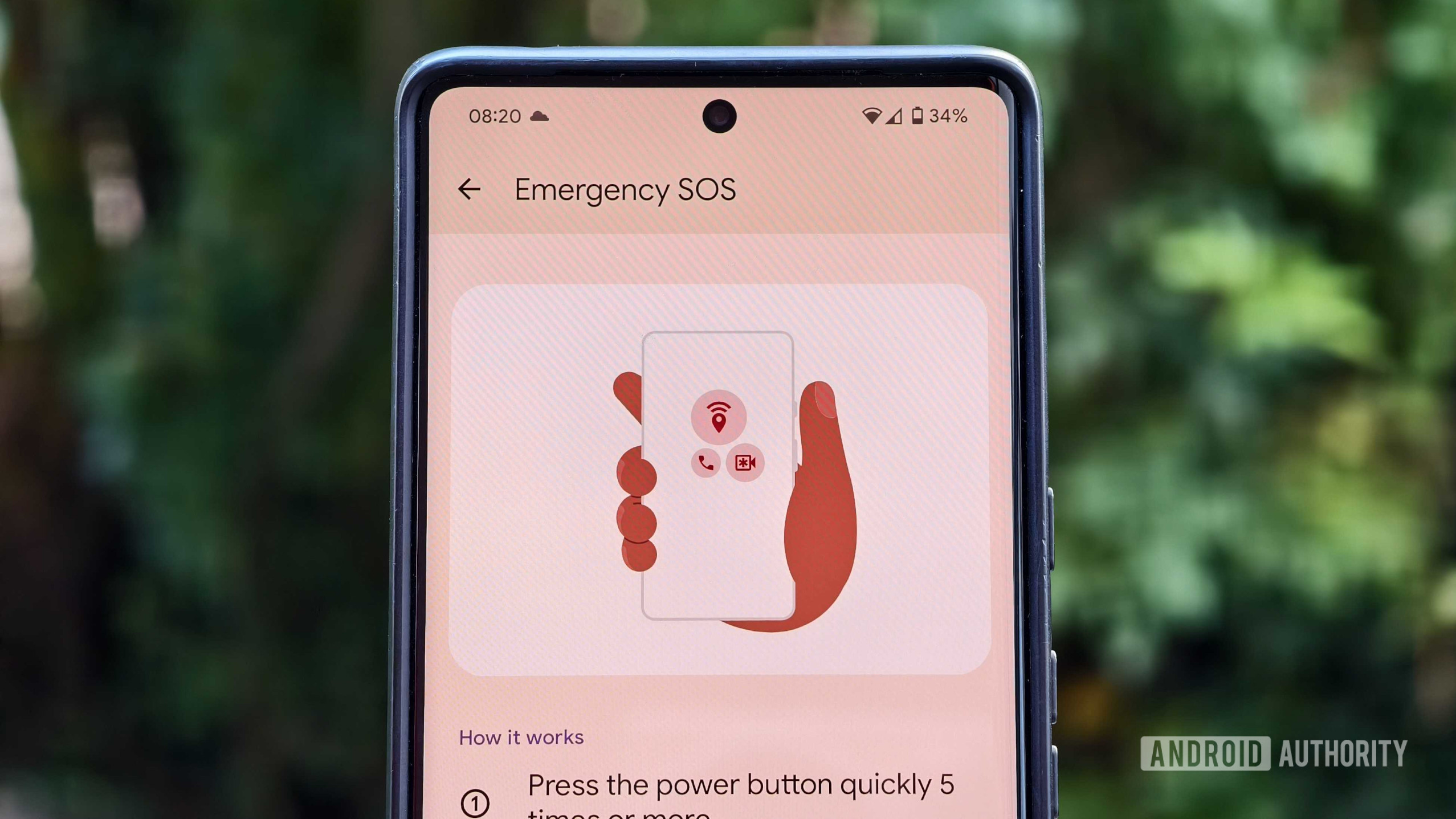
- The initial availability is expected to be concentrated on Pixel phones, which already include other safety features like Car Crash Detection and Emergency SOS.
- Data and Privacy:
- The video is generally not meant to be kept on the user’s device.
- Emergency agencies will be able to save the video based on their own policies and legal obligations.
- Inspiration: This feature is similar to the Emergency SOS Live Video feature available on iPhones.
This represents a significant step for Android’s safety tools, moving from documentation after an incident to providing real-time situational awareness for first responders.